
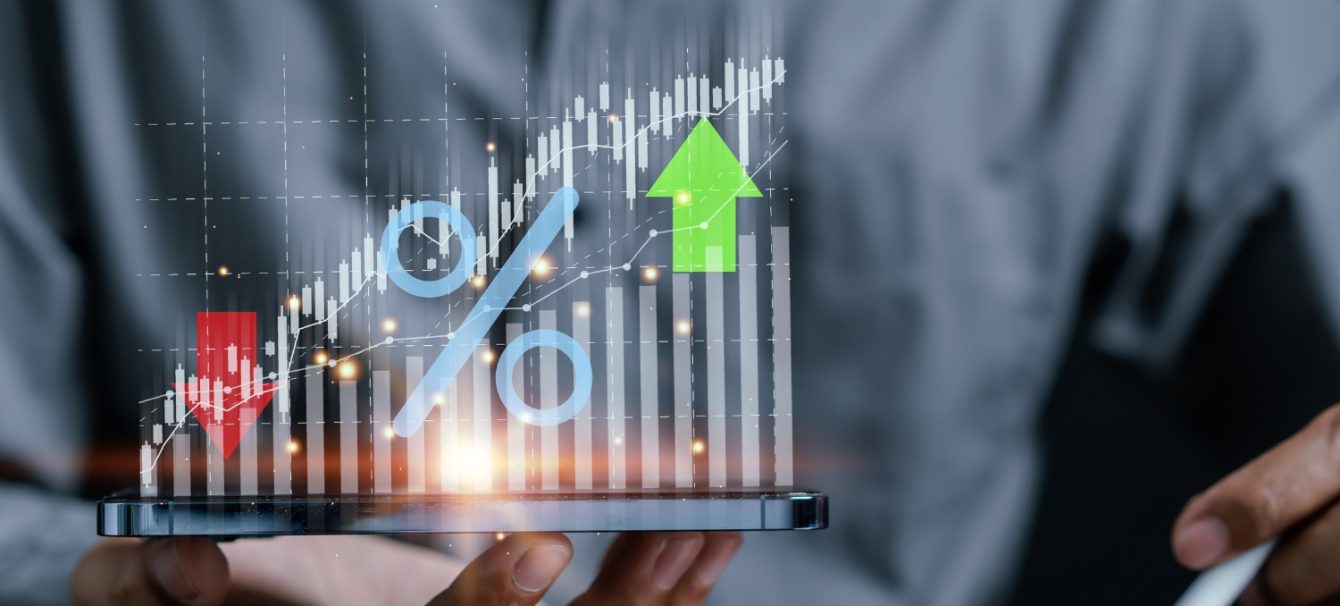
Economic news shapes financial markets, influencing trader sentiment, price movements, and investment decisions. Whether it’s interest rate changes, employment data, inflation reports, or geopolitical events, economic news can trigger significant market volatility, providing both risks and opportunities for traders.
Understanding how economic news impacts trading decisions is essential for short-term and long-term investors. This blog explores the key ways economic events influence markets and how traders can use this information to make informed decisions.
1. Why Economic News Matters in Trading
Financial markets react to economic data because it reflects the health of an economy and influences central bank policies. Traders and investors analyze these reports to anticipate market trends and adjust their strategies accordingly.
Economic news can cause sharp price swings, especially in forex, stock, and commodity markets, as traders react to new information.
2. Key Economic Indicators That Affect Trading
a. Interest Rate Decisions
Central banks, such as the Federal Reserve (Fed), European Central Bank (ECB), and Bank of England (BoE), set interest rates based on economic conditions.
Higher interest rates strengthen a currency by attracting foreign investment.
Lower interest rates weaken a currency as investors seek better returns elsewhere.
Traders monitor rate announcements closely, as sudden changes can impact forex pairs, stock markets, and commodities.
b. Inflation Reports (CPI & PPI)
Inflation data, such as the Consumer Price Index (CPI) and Producer Price Index (PPI), helps traders gauge rising or falling price levels.
High inflation can trigger interest rate hikes, strengthening a currency but potentially hurting stocks.
Low inflation may lead to rate cuts, boosting stock markets but weakening a currency.
As traders anticipate central bank responses, inflation reports significantly affect currency and bond markets.
c. Employment Data (NFP & Unemployment Rate)
Jobs reports like the U.S. Non-Farm Payrolls (NFP) provide insights into economic strength and consumer spending power.
Strong job growth supports stock markets and strengthens a currency.
Weak job reports signal economic trouble, leading to market sell-offs.
The NFP report, released on the first Friday of each month, is one of the most highly anticipated economic events in trading.
d. GDP Growth Reports
Gross Domestic Product (GDP) measures economic growth. A higher-than-expected GDP boosts stock markets, while a weaker GDP can cause market declines.
Optimistic GDP growth supports bullish sentiment in stocks and forex markets.
Negative GDP growth triggers risk-off sentiment, boosting safe-haven assets like gold and the U.S. dollar.
3. How Traders Use Economic News in Their Strategy
a. Fundamental Analysis
Traders analyze economic reports, central bank policies, and global trends to predict market movements.
b. News Trading Strategies
Pre-News Trading: Positioning trades based on expectations before an event.
Post-News Trading: Reacting to actual data releases and adjusting positions accordingly.
c. Risk Management During News Events
Avoid overleveraging, as volatility can trigger stop-loss orders.
Use economic calendars to stay informed about upcoming news releases.
Diversify assets to hedge against unexpected market movements.
Conclusion
Economic news directly impacts financial markets, influencing forex, stocks, and commodities. By understanding key indicators like interest rates, inflation, employment data, and GDP growth, traders can anticipate market reactions and adjust their strategies accordingly.
Successful traders use economic calendars, risk management techniques, and market sentiment analysis to navigate news-driven volatility. Staying informed and prepared allows traders to turn economic events into profitable opportunities.
#TradingNews #EconomicIndicators #ForexTrading #StockMarket #MarketVolatility #InterestRates #GDP #Inflation #NewsTrading #FinancialMarkets